
 AU
AU
 UK
UK
 CA
CA
 NZ
NZ
 IND
IND

 US
US

 Share
Share
 X (Formerly Twitter)
 Whatsapp
 Facebook
 LinkedIn
 Telegram
 Email This Article
 Copy Link
 Summarize with AI
 Chat GPT
 Perplexity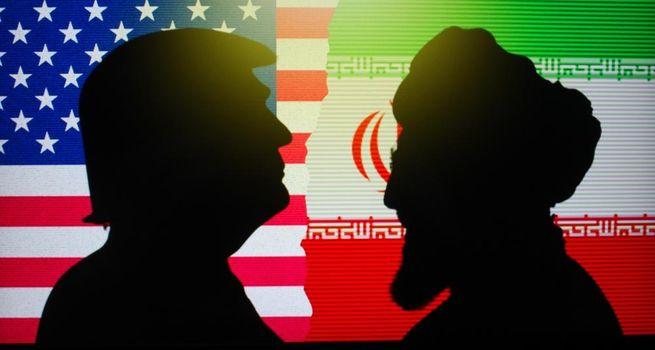
Iran submitted a revised peace proposal demanding reparations, US troop Withdrawal, and full sanctions relief. Trump paused planned strikes. Here is what the terms reveal about where this war is heading.
Key Highlights
- Tehran's revised proposal includes war reparations, US troop withdrawal, full sanctions relief, and release of frozen Assets
- Trump paused planned strikes, citing a "very good chance" of reaching a nuclear deal
- Washington reportedly offered partial frozen fund release and limited IAEA-supervised nuclear activity
- Pakistan continues as the sole back-channel intermediary; Gulf states are pressing for a settlement
- The Strait of Hormuz remains the primary economic lever driving all parties toward negotiation
Iran's Latest Peace Proposal Has Changed Little. That May Be the Point.
Tehran has submitted a revised peace proposal to Washington, and its core demands remain intact: an end to hostilities on all fronts, withdrawal of US forces from areas near Iran, reparations for destruction caused during the conflict, full lifting of sanctions, release of frozen sovereign assets held in foreign banks, and termination of the US naval blockade. The terms mirror what Trump rejected last week. Iran has not blinked.
What has changed is the context around it. Donald Trump has halted a planned resumption of military strikes against Iran. Gulf leaders from Qatar, Saudi Arabia, and the United Arab Emirates pressed him to stand down, arguing a deal was within reach. Trump agreed, telling reporters there was a very good chance of resolving the conflict without further bombardment. For a war that began in late February with sweeping stated objectives, the pause is significant. So is what it reveals: three months of sustained military pressure have not produced the outcome Washington sought, and both sides are now navigating toward a negotiated exit neither fully wants on the other's terms.
What Washington Has Offered
A senior Iranian official indicated the US has moved on two specific points. Washington has reportedly agreed to release approximately one quarter of Iran's frozen funds held abroad, and has shown willingness to permit limited peaceful nuclear activity under International Atomic Energy Agency supervision.
The US government has not confirmed any concessions publicly. A US official explicitly denied reports that Washington agreed to waive oil sanctions during the negotiating period. That denial matters: an oil sanctions Waiver would significantly reduce Washington's economic coercive capacity while carrying considerable domestic political cost.
The Hormuz Factor and Gulf Pressure
The Strait of Hormuz is the structural engine behind Gulf states' urgency. A meaningful share of global hydrocarbon Supply transits this chokepoint daily. Their exposure to supply-route disruption is direct and material, making them active Stakeholders rather than passive observers.
Pakistan, which hosted the only formal round of peace talks last month, continues to serve as the primary back-channel conduit between Washington and Tehran. Pakistani officials have warned that both sides keep adjusting their positions rather than converging, and that available time is running short.
Why a Deal Remains Structurally Difficult
Three months into the conflict, Iran retains its stockpile of near-weapons-grade enriched uranium. Its missile infrastructure and proxy networks across Lebanon and Iraq remain operational. The clerical Leadership has shown no sign of organised domestic opposition emerging from the military campaign, removing a key source of coercive pressure Washington had anticipated.
The gap between what Tehran is demanding and what Washington can credibly offer domestically remains wide. Full sanctions relief, war reparations, and troop withdrawal each carry significant political cost. Meanwhile, drone activity from Iraq toward Saudi Arabia and Kuwait has continued despite the ceasefire that took hold in early April, keeping any emerging framework incomplete and fragile.
Conclusion
Iran's proposal has not shifted. Washington's response has been partial and unconfirmed. Gulf states are applying sustained pressure for resolution. Whether this moment produces a durable agreement or simply delays the next round of escalation depends on whether either side concludes that the cost of continued conflict now exceeds the price of concession.
That calculation has not yet been made on either side.


 Jun 05, 2026




 Please wait processing your request...