
 AU
AU
 UK
UK
 CA
CA
 NZ
NZ
 IND
IND

 US
US

 Share
Share
 X (Formerly Twitter)
 Whatsapp
 Facebook
 LinkedIn
 Telegram
 Email This Article
 Copy Link
 Summarize with AI
 Chat GPT
 Perplexity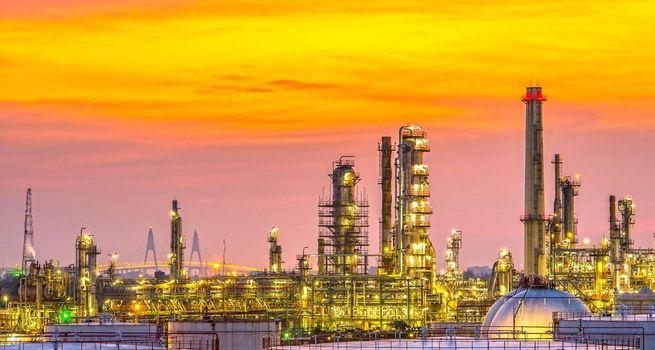
An explosion at a natural gas processing facility in Qatar killed at least 13 people and injured dozens more on Monday, raising immediate concerns about potential disruption to the country's liquefied natural gas production capacity at a moment of elevated global energy market sensitivity.
Key Highlights
- At least 13 people were killed in a Qatari natural gas processing facility explosion, with infrastructure damage still unconfirmed.
- Qatar is one of the world's largest LNG exporters, making any production disruption immediately consequential for global supply.
- Energy markets are monitoring whether the incident triggers precautionary safety reviews across Gulf energy infrastructure.
Qatar is the world's largest exporter of liquefied natural gas and a critical supplier to European markets managing tight energy inventories in the aftermath of the broader Middle East conflict. Initial reports indicated the blast occurred in a processing unit, though the full extent of damage to production infrastructure was not immediately confirmed.
The incident arrives at a particularly sensitive moment for global LNG markets, which had been partially stabilised by diplomatic progress in US-Iran talks and the reopening of the Strait of Hormuz. A sustained disruption to Qatari production capacity would introduce a countervailing supply shock to energy markets navigating the price consequences of the ceasefire framework.
The combination of geopolitical de-escalation on one side and potential production disruption on the other creates an unusually complex near-term pricing environment for natural gas and LNG-linked instruments.


 Jun 22, 2026
_06_23_2026_01_38_14_943140.jpg)



 Please wait processing your request...