
 AU
AU
 UK
UK
 CA
CA
 NZ
NZ
 IND
IND

 US
US

 Share
Share
 X (Formerly Twitter)
 Whatsapp
 Facebook
 LinkedIn
 Telegram
 Email This Article
 Copy Link
 Summarize with AI
 Chat GPT
 Perplexity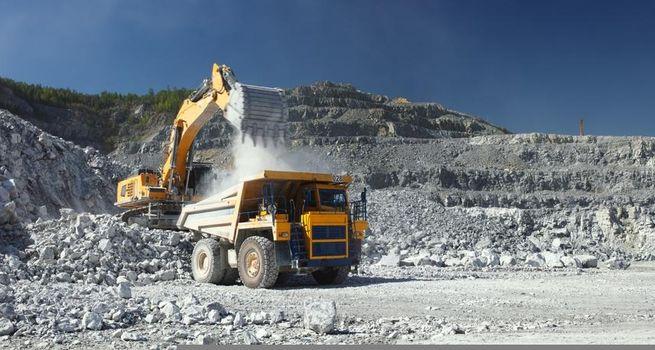
Albemarle (NYSE:ALB) stock fall highlights lithium price risk, EV battery Demand, Supply additions, energy storage growth and Capital discipline concerns in 2026.
Key Highlights
- Albemarle stock has fallen as investors reassess lithium demand and battery metal pricing.
- Lithium prices remain pressured by supply additions, inventory adjustment and changing EV demand expectations.
- Long-term energy-transition demand supports lithium, but Commodity cycles create significant stock Volatility.
Albemarle (NYSE:ALB) stock has fallen as lithium investors watch battery metal demand and the evolving outlook for the electric vehicle supply chain. As one of the world's largest lithium producers, Albemarle is closely tied to the trajectory of EV adoption, battery technology, and global pricing dynamics for lithium chemicals. The latest move reflects an environment in which lithium prices have come under pressure after sharp moves higher during the early phase of the EV demand surge. Investors are now weighing how supply additions, demand growth, and inventory destocking interact in the current cycle. Albemarle's diversified operations across multiple geographies and product types offer some insulation, but the company remains a primary play on lithium fundamentals. Market attention is focused on capital discipline, cost positioning, and how the company navigates a complex moment in the battery metals story.
Why lithium stocks are under pressure
Lithium prices fell sharply after reaching extreme highs earlier in the EV adoption cycle. Supply additions across Australia, South America, and other regions have caught up with demand growth, contributing to the pricing reset.
Demand growth itself has continued, supported by ongoing EV adoption and stationary energy storage. However, the pace of growth and the speed of inventory adjustment have shifted investor expectations about near-term price support.
Battery metal demand dynamics
Battery demand for lithium has multiple drivers, including passenger EVs, commercial vehicles, energy storage systems, and consumer electronics. EV adoption rates vary by region and segment, influencing the pace of overall demand growth.
Battery technology changes also matter. Shifts in cathode chemistry, improvements in energy density, and recycling developments can each affect lithium demand intensity per battery. Investors track these trends as part of the long-term outlook.
Albemarle's competitive position
Albemarle's operations span lithium production from brine and hard rock sources, alongside other specialty chemicals businesses. The geographic and product Diversification provides resilience but does not eliminate exposure to lithium price swings.
Cost positioning is critical in commodity businesses. Companies with lower cost operations can withstand pricing pressure better than higher-cost producers. Investors are watching Albemarle's cost trajectory closely.
The energy transition story
Despite near-term volatility, the long-term energy transition narrative remains a structural support for battery metals. Government targets, automaker commitments, and consumer adoption trends all point to continued growth in battery demand over multi-decade horizons.
Investors are weighing this long-term story against the current cycle's dynamics. Periods of pricing weakness often create opportunities for low-cost producers to grow Market Share while higher-cost competitors face challenges.
Risks for lithium investors
Risks include continued lithium price weakness, supply additions exceeding demand, technology shifts that change lithium intensity, and geopolitical developments affecting supply chains. Recycling, sodium-ion chemistries, and other alternatives are also part of the long-term picture.
Capital allocation decisions, including project pacing, Shareholder returns, and acquisitions, can either preserve or strain financial flexibility. Investors watch these choices for clues about management priorities.
Approaches to battery metals exposure
Investors interested in battery metals can use individual lithium stocks, diversified miners, battery-focused ETFs, or broader clean energy funds. Each route offers different exposure profiles. Diversification across the battery supply chain, including cathode and battery manufacturers, can complement direct lithium exposure.
Market context
Lithium has gone through dramatic price cycles in recent years, with extreme highs during the early EV adoption surge and significant pullbacks as supply caught up. Albemarle has navigated each phase while continuing to invest in capacity. Comparing the current setup with past commodity cycles can be useful, though battery metals have unique characteristics tied to the energy transition. Studying Albemarle alongside other major lithium producers, battery manufacturers, and automaker EV programmes offers a fuller picture of the industry.
Why this matters for investors
Lithium plays a central role in the energy transition, supporting electric vehicles and stationary energy storage. Albemarle is among the most prominent publicly traded lithium producers and its performance affects energy transition ETFs, broader materials funds, and individual portfolios. For investors, understanding lithium pricing cycles, demand drivers, and competitive dynamics helps form views on the broader battery metals story. The current pressure on the stock illustrates how commodity cycles can produce significant volatility even when long-term demand growth remains intact. This dynamic is common in resource industries and underscores the importance of long-term horizons and risk management in commodity-exposed positions.
Conclusion
Albemarle’s stock weakness reflects the tension between long-term battery-metal demand and near-term lithium-price volatility. EV adoption and stationary energy storage remain structural supports, but supply additions, inventory adjustment and commodity pricing cycles continue to pressure investor sentiment. For 2026, Albemarle’s key test is whether cost discipline, capital allocation and diversified lithium operations can protect margins while the market waits for a more durable recovery in battery-metal demand.


 Jun 05, 2026




 Please wait processing your request...