
 AU
AU
 UK
UK
 CA
CA
 NZ
NZ
 IND
IND

 US
US

 Share
Share
 X (Formerly Twitter)
 Whatsapp
 Facebook
 LinkedIn
 Telegram
 Email This Article
 Copy Link
 Summarize with AI
 Chat GPT
 Perplexity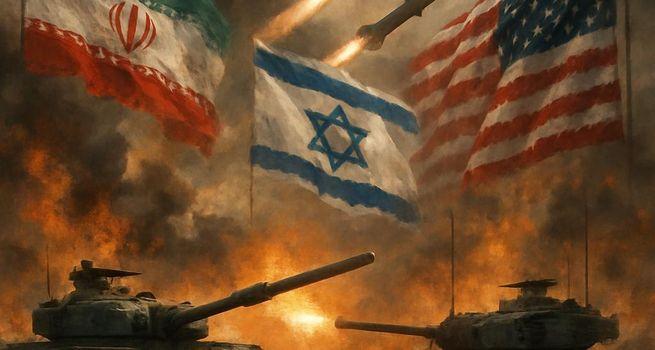
Key Highlights
- Israel’s renewed strikes on Lebanon have put the fragile ceasefire at risk
- Over 250 casualties mark one of the deadliest escalations in the conflict
- Strait of Hormuz disruptions continue to strain global energy supply
- Physical oil prices surged toward $150 per barrel amid supply shortages
- Markets face renewed volatility as geopolitical risks remain unresolved
A Ceasefire in Name, Not in Practice
The fragile ceasefire in the Middle East is already showing signs of strain as Israel expands military operations into Lebanon, raising questions about the scope and durability of the agreement.
While the ceasefire between the United States and Iran initially eased market tensions, the exclusion or ambiguity around Lebanon has created a new layer of uncertainty. This divergence between diplomatic intent and on-ground military action is now shaping both geopolitical outcomes and financial market responses.
The situation highlights a broader challenge. Partial ceasefires in interconnected conflicts may reduce immediate escalation but fail to address systemic risks.
Geopolitical Analysis: Expanding Conflict Beyond Core Boundaries
Israel’s intensified strikes on Lebanon have significantly escalated regional tensions, with more than 250 people reported killed in one of the largest attacks of the conflict.
The central dispute revolves around whether Lebanon is included in the ceasefire framework. While the United States and Israel maintain that it is not covered, Iran and mediating countries argue that it should be part of the agreement.
This disagreement has critical implications. Iran has explicitly linked its compliance, particularly regarding energy routes, to a broader ceasefire that includes Lebanon. As a result, negotiations remain complex and fragmented.
The conflict is no longer confined to bilateral engagement. It has evolved into a multi-front geopolitical crisis involving regional actors and global powers.
Energy Market Analysis: Supply Shock Intensifies
The most immediate global impact of the renewed escalation is visible in energy markets. The continued disruption of the Strait of Hormuz, a critical global oil transit route, has created one of the most severe supply shocks in recent history.
While benchmark futures prices have moderated following ceasefire announcements, physical oil markets tell a different story. Refiners in Europe and Asia are facing prices approaching $150 per barrel, reflecting acute supply shortages.
This divergence between futures and physical prices indicates a structural imbalance. Financial markets may be pricing in eventual normalization, but current supply constraints remain severe.
In the United States, diesel prices have surged to approximately $5.69 per gallon, nearing historic highs. This underscores the transmission of geopolitical risk into real economic conditions.
Macro Context: Inflation Pressures and Economic Spillover
The energy shock is feeding directly into inflationary pressures across global economies. Higher fuel costs increase transportation and production expenses, affecting both businesses and consumers.
Europe and Asia, heavily dependent on imported energy, are experiencing the most immediate impact. However, the ripple effects are global, influencing inflation expectations and monetary policy decisions.
The persistence of supply disruptions suggests that inflation may remain elevated for longer than anticipated. This complicates central bank strategies, particularly in balancing growth and price stability.
Strategic and Military Dynamics: Asymmetric Leverage
Iran’s strategy continues to focus on leveraging its control over critical energy routes. Despite sustained military pressure, it retains the ability to influence global markets through disruptions in the Strait of Hormuz.
Notably, Iran has demonstrated operational control by redirecting shipping routes and signaling potential regulatory measures, including fees for passage.
This approach represents a shift from conventional military engagement to economic and logistical leverage. By targeting supply chains, Iran is amplifying the global impact of the conflict.
At the same time, Israel’s continued operations in Lebanon indicate a broader strategic objective beyond the immediate ceasefire framework.
Financial and Market Implications: Volatility and Risk Repricing
Financial markets are responding to the renewed uncertainty with increased volatility. The initial relief rally following the ceasefire is being reassessed as geopolitical risks persist.
Energy prices remain the primary transmission channel into financial markets. Elevated prices are influencing equity valuations, bond yields, and currency movements.
Investor sentiment is shifting toward caution. The lack of clarity around the ceasefire’s scope and duration is limiting confidence in sustained market stability.
The divergence between short-term optimism and underlying risk highlights the complexity of the current environment.
Strategic Outlook: Fragmented Diplomacy and Prolonged Risk
Looking ahead, the trajectory of the conflict will depend on the outcome of ongoing diplomatic efforts. Talks involving multiple countries are expected to address the broader scope of the ceasefire, including Lebanon and other regions.
However, achieving a comprehensive agreement remains challenging. Conflicting interpretations and strategic interests are likely to prolong negotiations.
The risk is that the conflict transitions into a prolonged phase of intermittent escalation, maintaining pressure on energy markets and global economic conditions.
For markets, this implies continued sensitivity to geopolitical developments and limited visibility on long-term outcomes.
A Fragile Truce Amid Structural Tensions
The latest developments underscore the fragility of the current ceasefire. While initial agreements provided temporary relief, unresolved issues are quickly resurfacing.
The escalation in Lebanon highlights the limitations of partial diplomatic solutions in a complex regional conflict. At the same time, the impact on energy markets reinforces the global significance of these developments.
For investors and policymakers, the challenge lies in navigating an environment where geopolitical risks remain a dominant force shaping economic and financial outcomes.


 Jun 05, 2026




 Please wait processing your request...