
 CA
 NZ
 UK
 AU
 IND

 US


Kalkine’s Global Tariff Report delivers objective, data-driven insights into key global sectors impacted by tariff fluctuations. It assesses how these changes influence equity valuations across affected industries, with a focus on trade-sensitive sectors that often attract increased investor attention during times of tariff-related uncertainty. The report also highlights defensive and countercyclical segments that tend to show resilience—or even outperformance—amid disruptions in global trade dynamics.
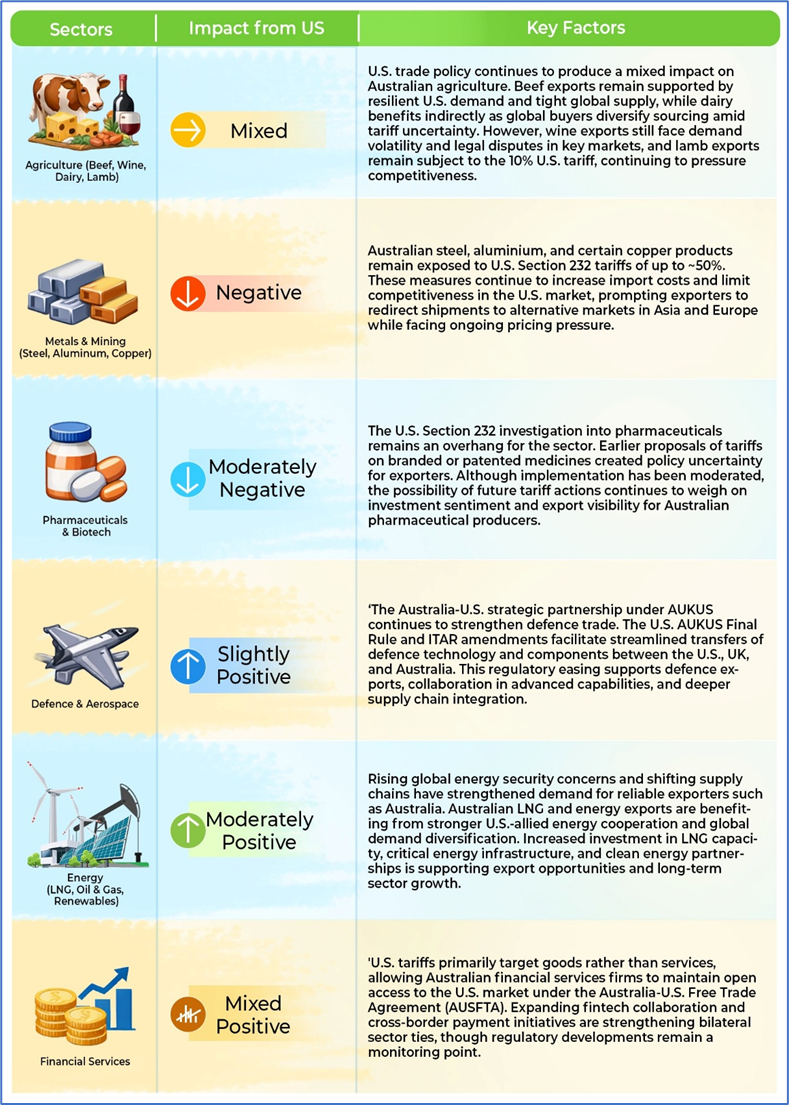
As illustrated in the table below, several key sectors in different countries are directly impacted by the recent tariff announcement from President Trump.

Key Highlights
Latest Key Developments (as of 9 March 2026)
Australia
Canada
India
China
European Union

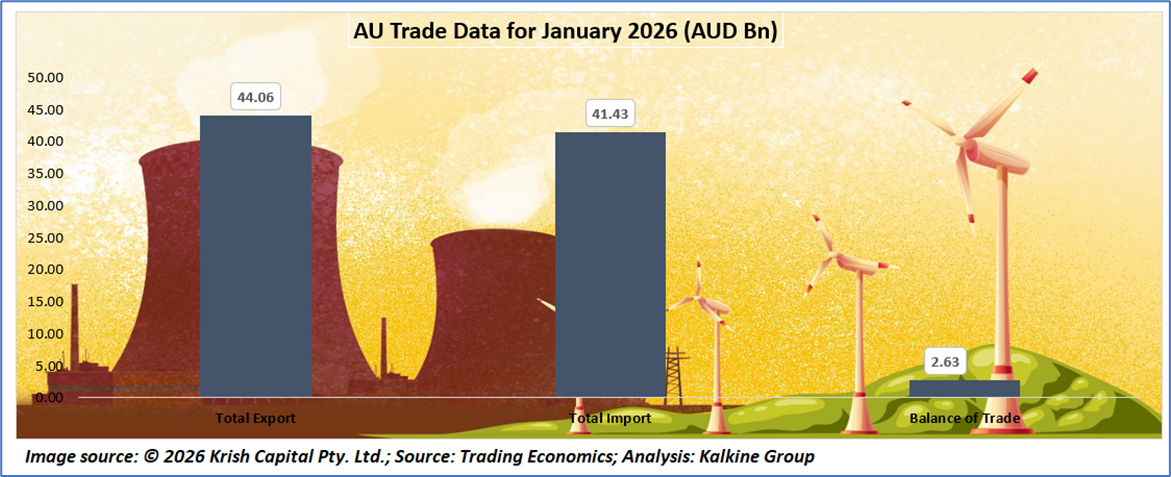
Australia’s external sector indicators present a mixed picture. The trade balance remained in surplus at AUD 2,631 million in January 2026, though it narrowed from AUD 3,373 million previously, reflecting slightly softer exports. Exports declined marginally to AUD 44,059 million, while imports increased to AUD 41,428 million during the same period. Meanwhile, the current account deficit widened to AUD 21,093 million in December 2025, with the current account-to-GDP ratio at -2.9%, compared with -2.6% previously. Australia’s external debt rose to AUD 2.75 trillion, while the terms of trade improved to 116 points, indicating relatively favourable export prices versus imports. In capital flows, net inflows moderated to AUD 8,027 million, down from AUD 35,974 million previously. Tourist arrivals increased to 1.04 million in December 2025, highlighting recovery in the travel sector.


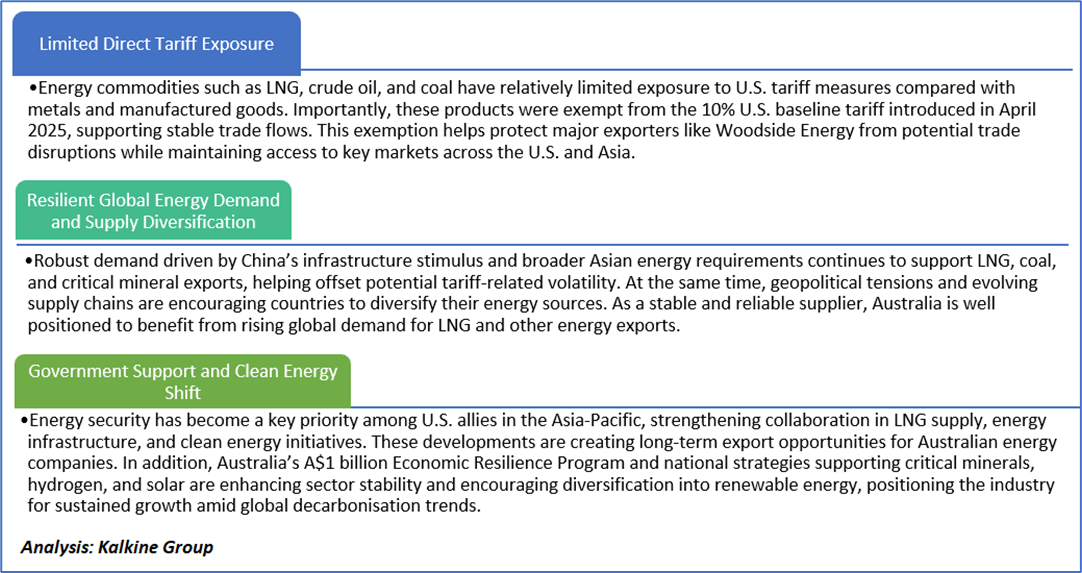
Amid elevated Market Volatility and Tariff pressures, Amplitude Energy Limited (ASX: AEL) stands out as a defensive pick within the Energy sector, supported by rigorous fundamental and technical research.
Section 1: Company Overview and Fundamentals Insights
Company Overview: Amplitude Energy Limited (ASX: AEL), formerly Cooper Energy, is an exploration and production company focused on supplying gas to the southeast Australian market. It also engages in low-cost oil production in the Cooper Basin. Kalkine’s Global Tariff Report covers the Investment Highlights, Management Insights, Key Financial Metrics, Risks, and Technical Analysis along with the Valuation, Target Price, and Recommendation on the stock.
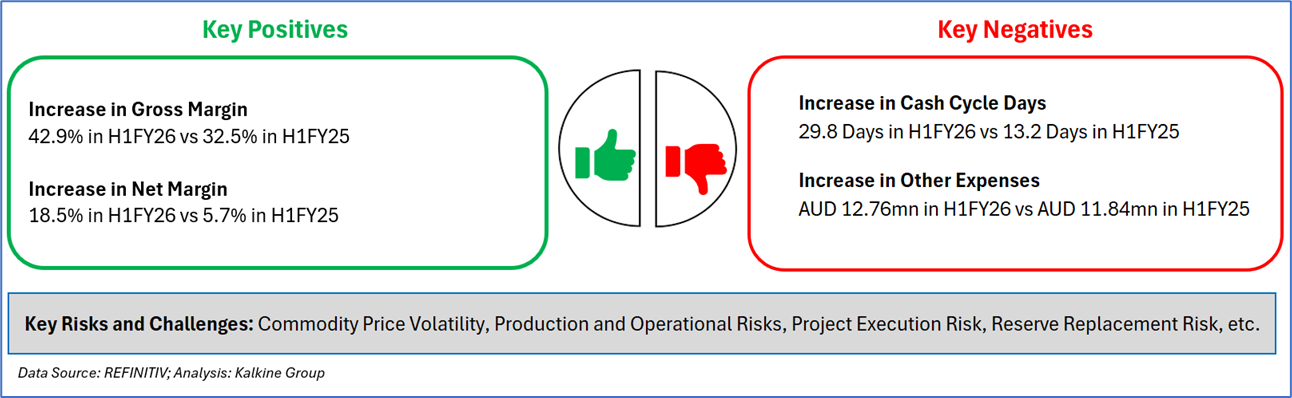
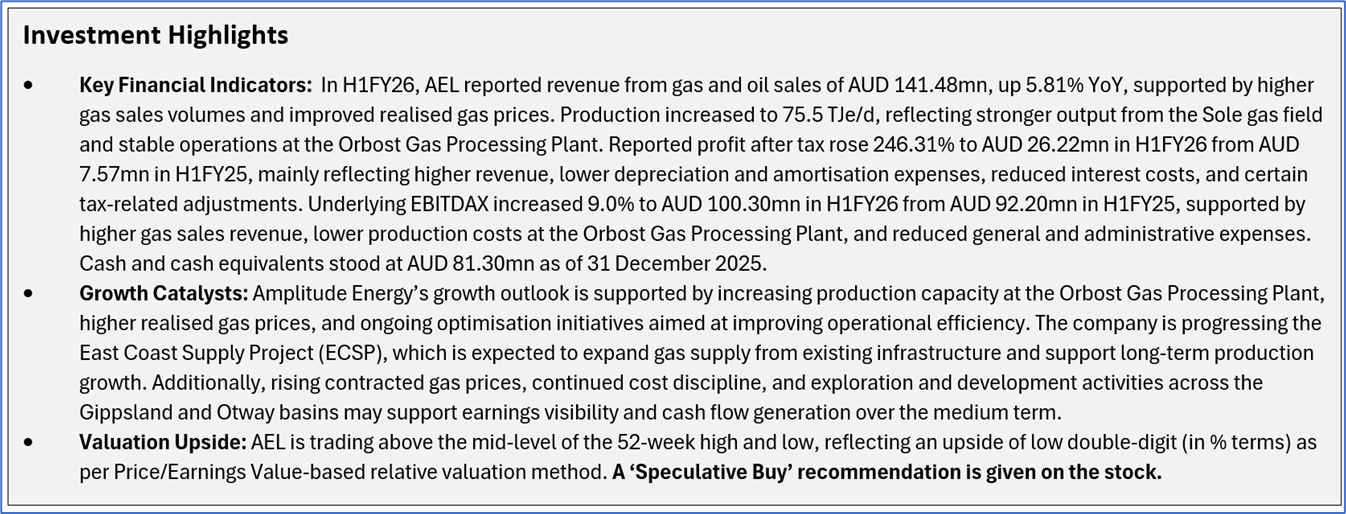
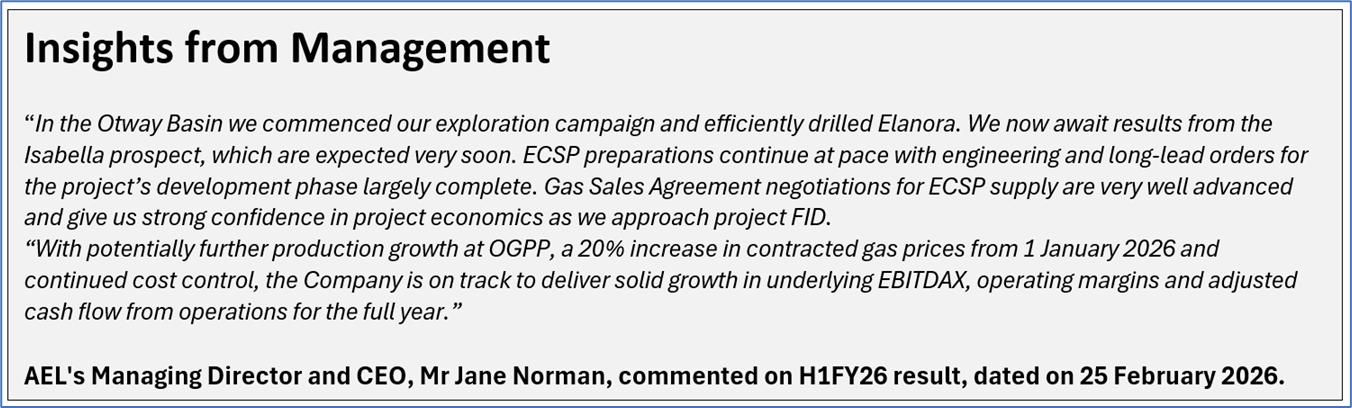
1.2 The Key Positives, Negatives, Investment Highlights, and Risks
1.3 Top 10 Shareholders:
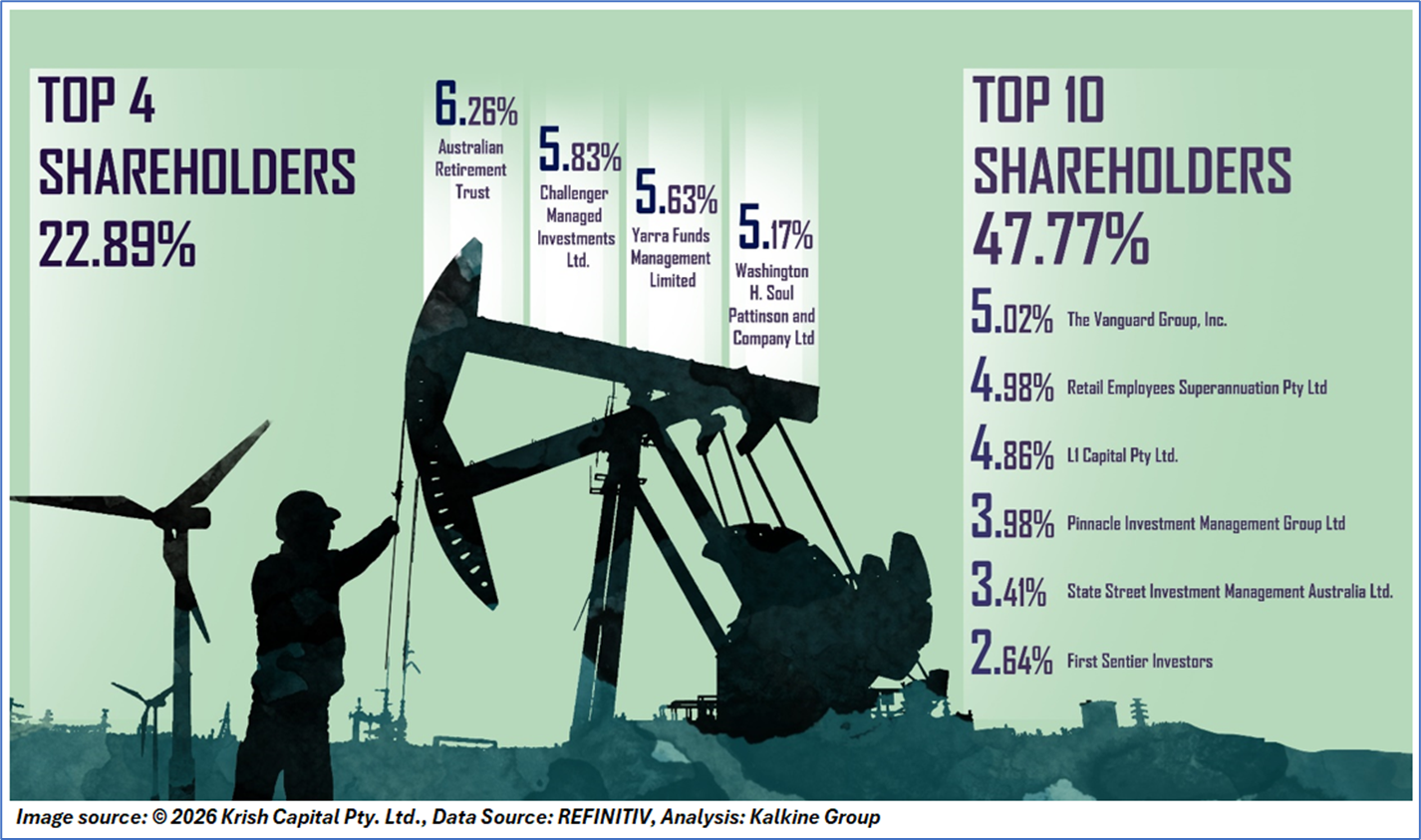
The top 10 shareholders together form ~44.77% of the total shareholding. Australian Retirement Trust, and Challenger Managed Investments Ltd. hold maximum stakes of 6.26% and 5.83%, respectively.
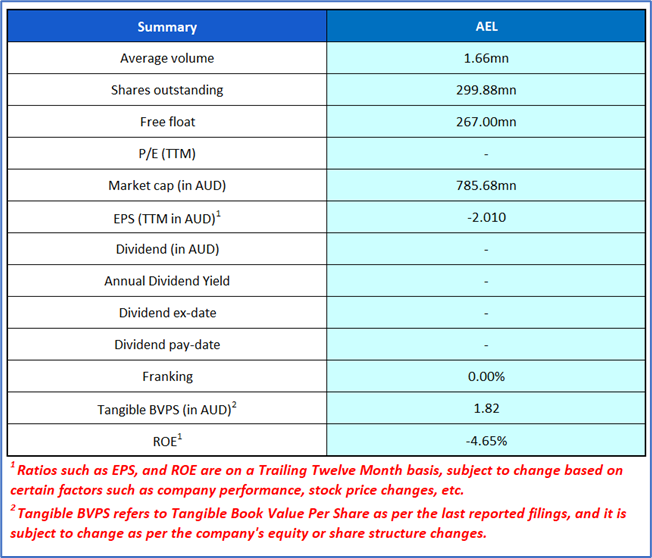
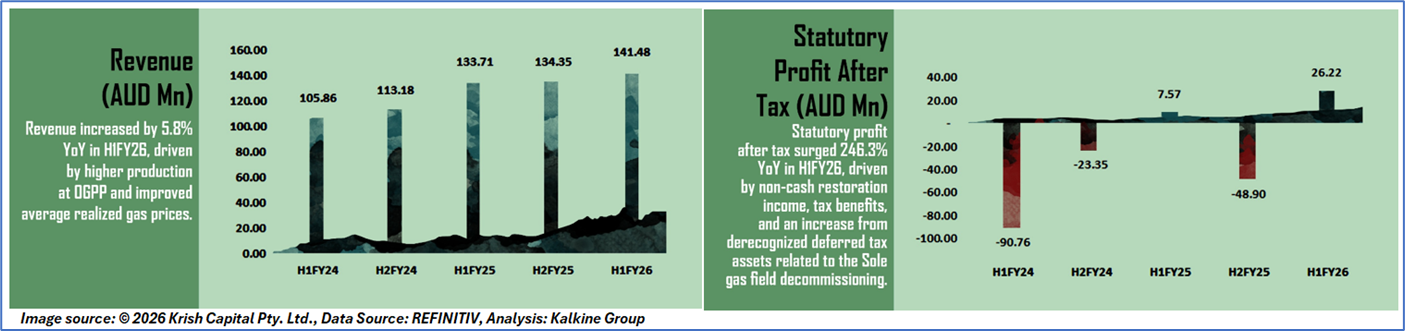
1.4 Key Metrics: AEL’s operating margin improved to 27.7% in H1FY26, up from 15.3% in H1FY25. Below are the other captured metrics.:
Section 2: Business Updates, Financial and Operational Highlights
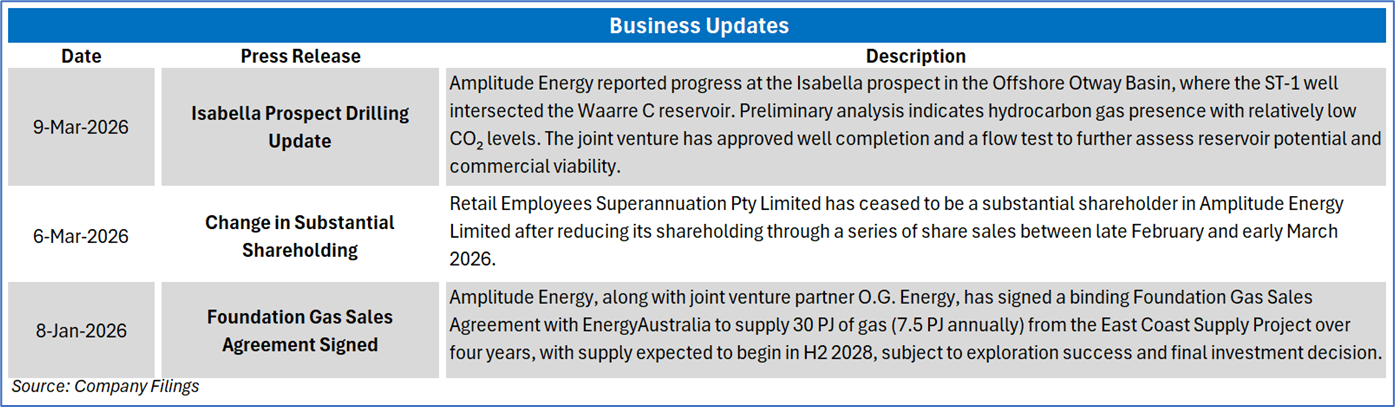
2.1 Recent Business Updates:
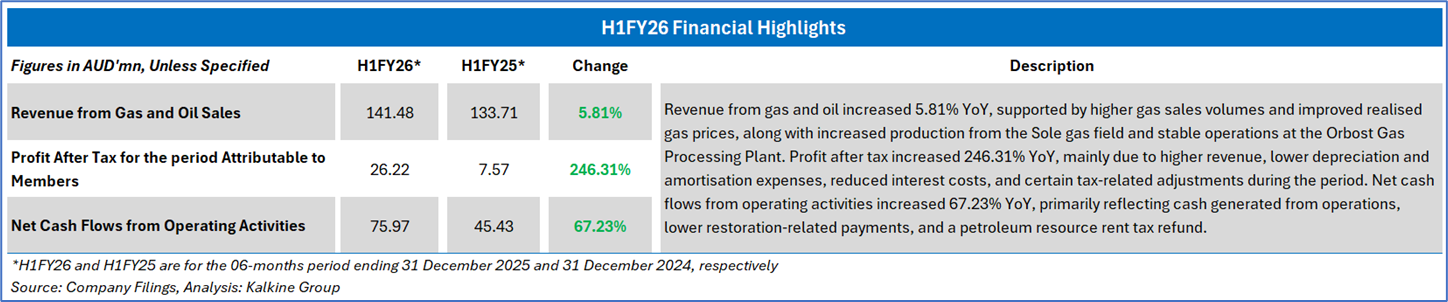
2.2 H1FY26 Results Highlights (for the 06 months ended 31 December 2025): Below mentioned are some key financial highlights:
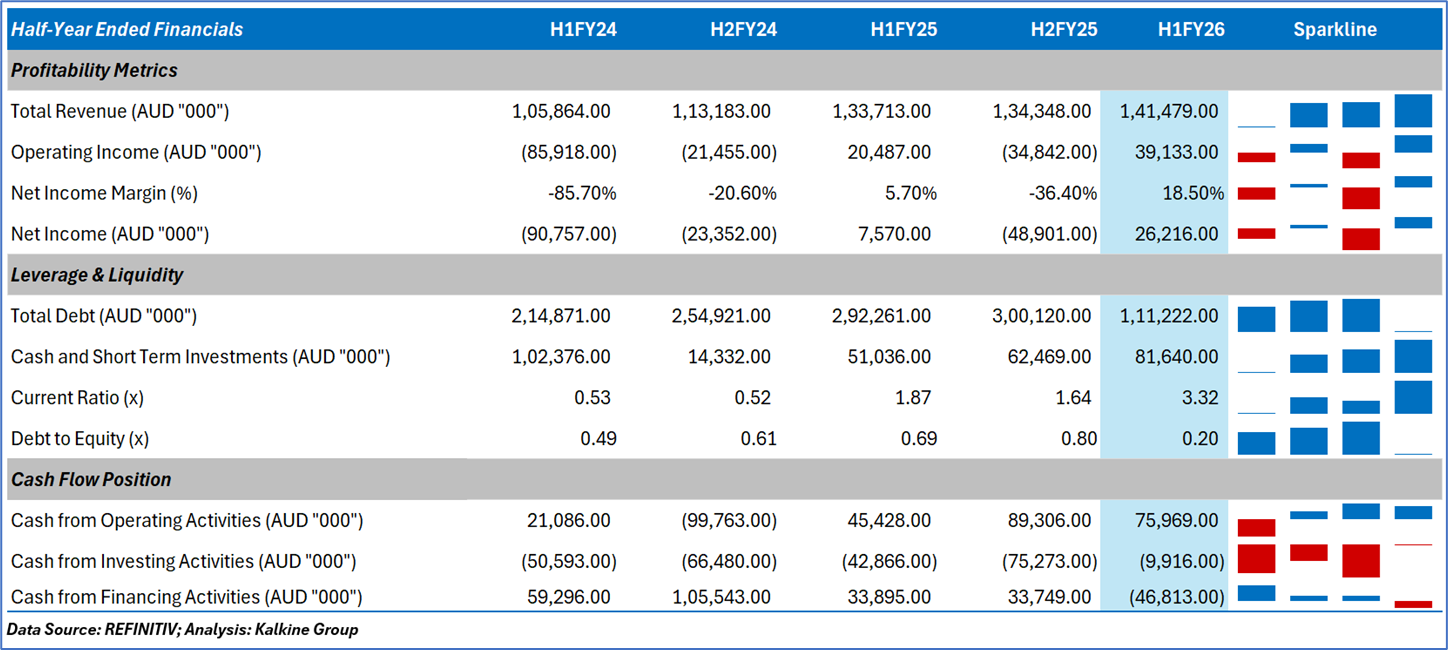
2.3 Historical Financial Trend
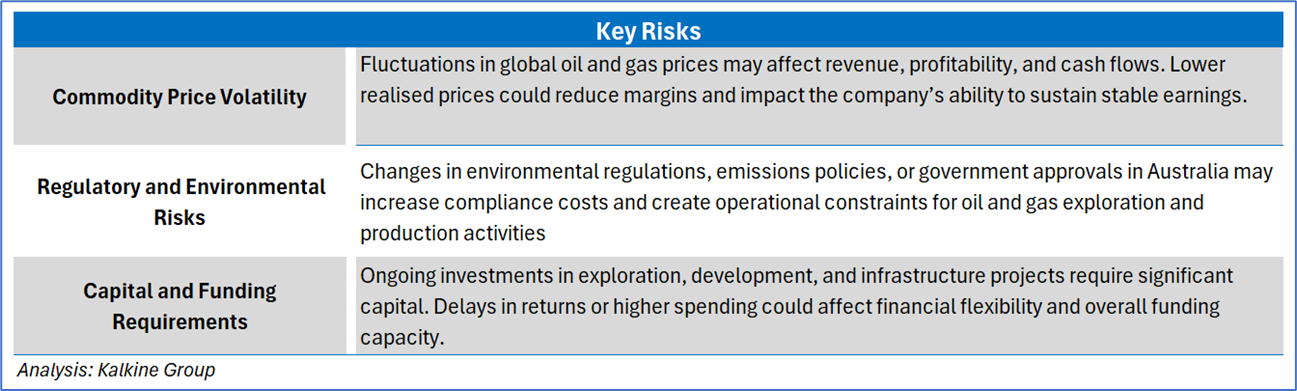
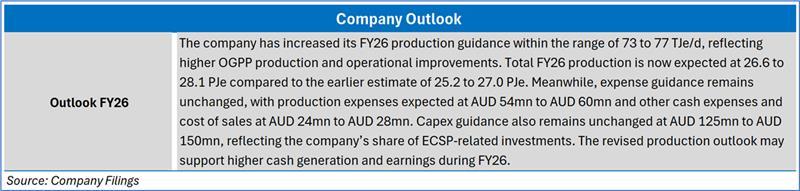
Section 3: Key Risks and Outlook:
Section 4: Stock Recommendation Summary
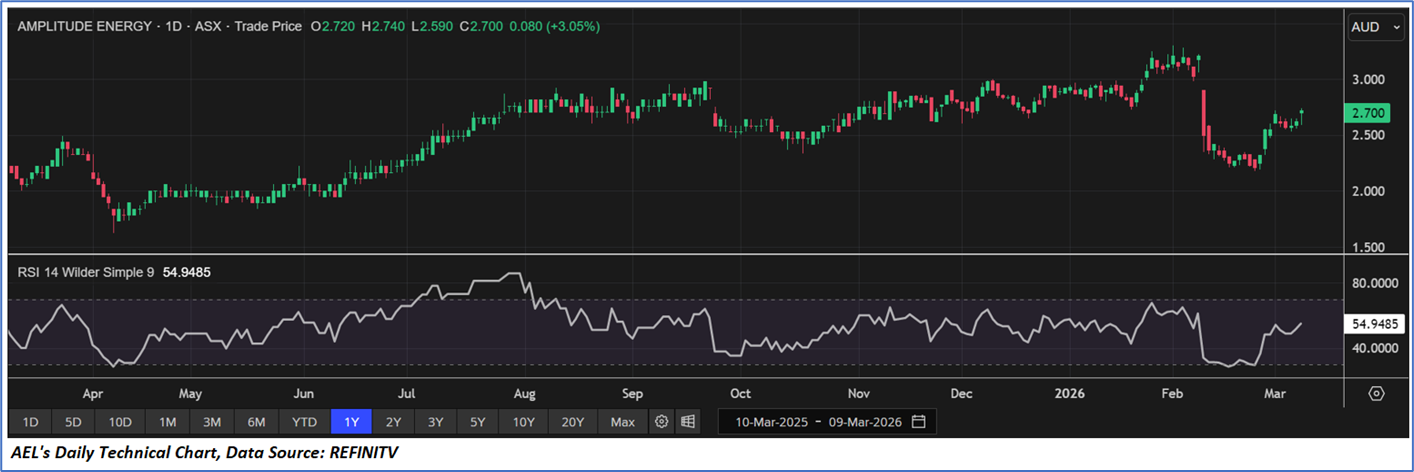
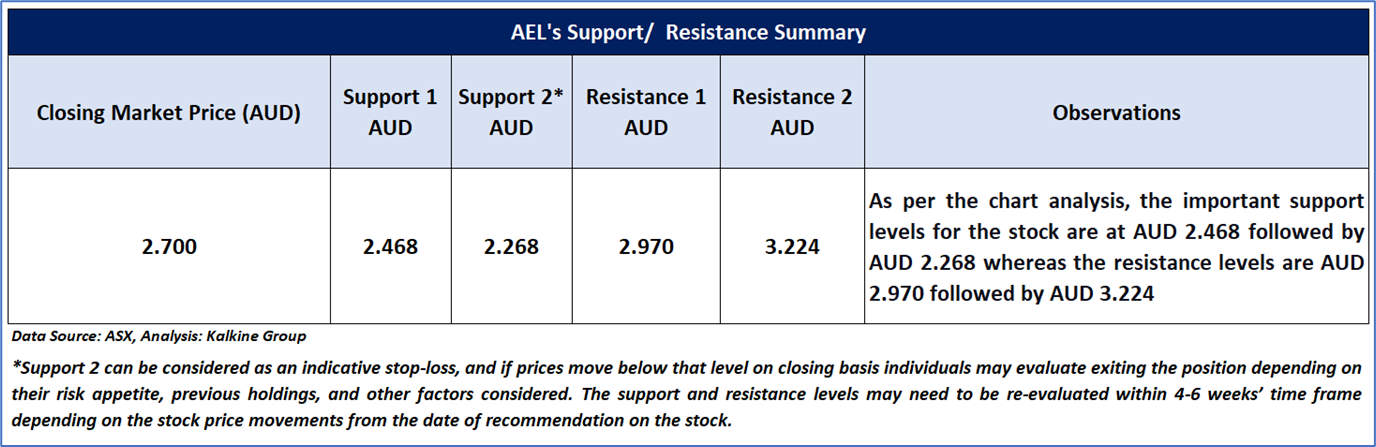
4.1 Price Performance and Technical Summary
The stock has decreased by ~9.40% in the last three months, and over the past six months, stock has decreased by ~4.15%. The stock has a 52-week low and 52-week high of AUD 1.650 and AUD 3.300, respectively. The stock is currently trading above the midpoint of its 52-week trading range. AEL was last covered in a report dated ‘30 October 2025’.
4.2 Fundamental Valuation and Stock Recommendation
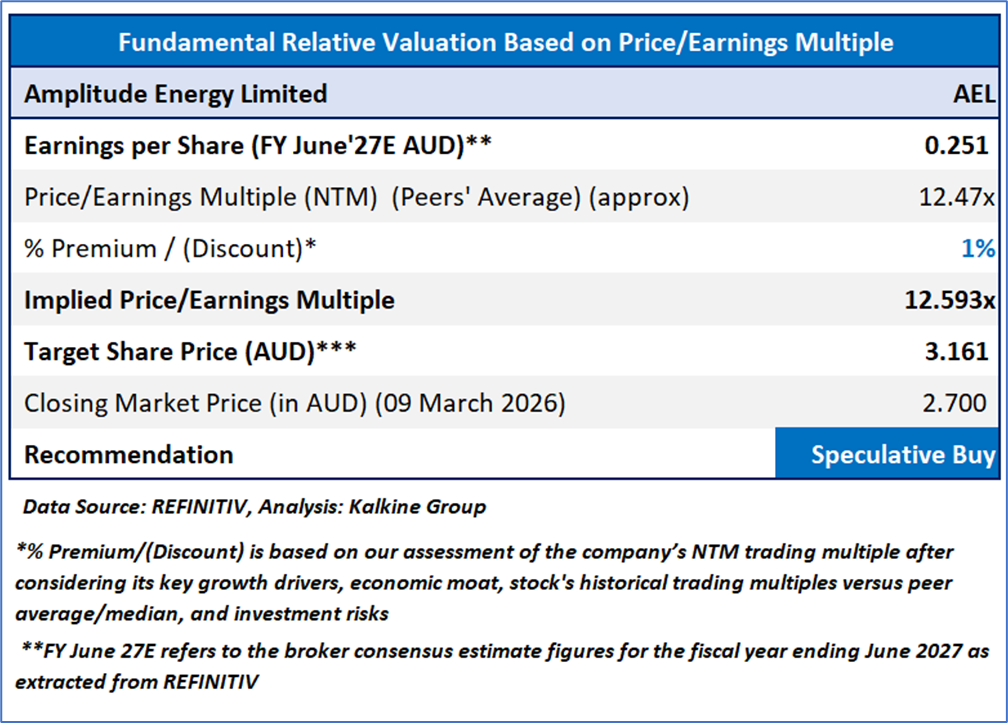
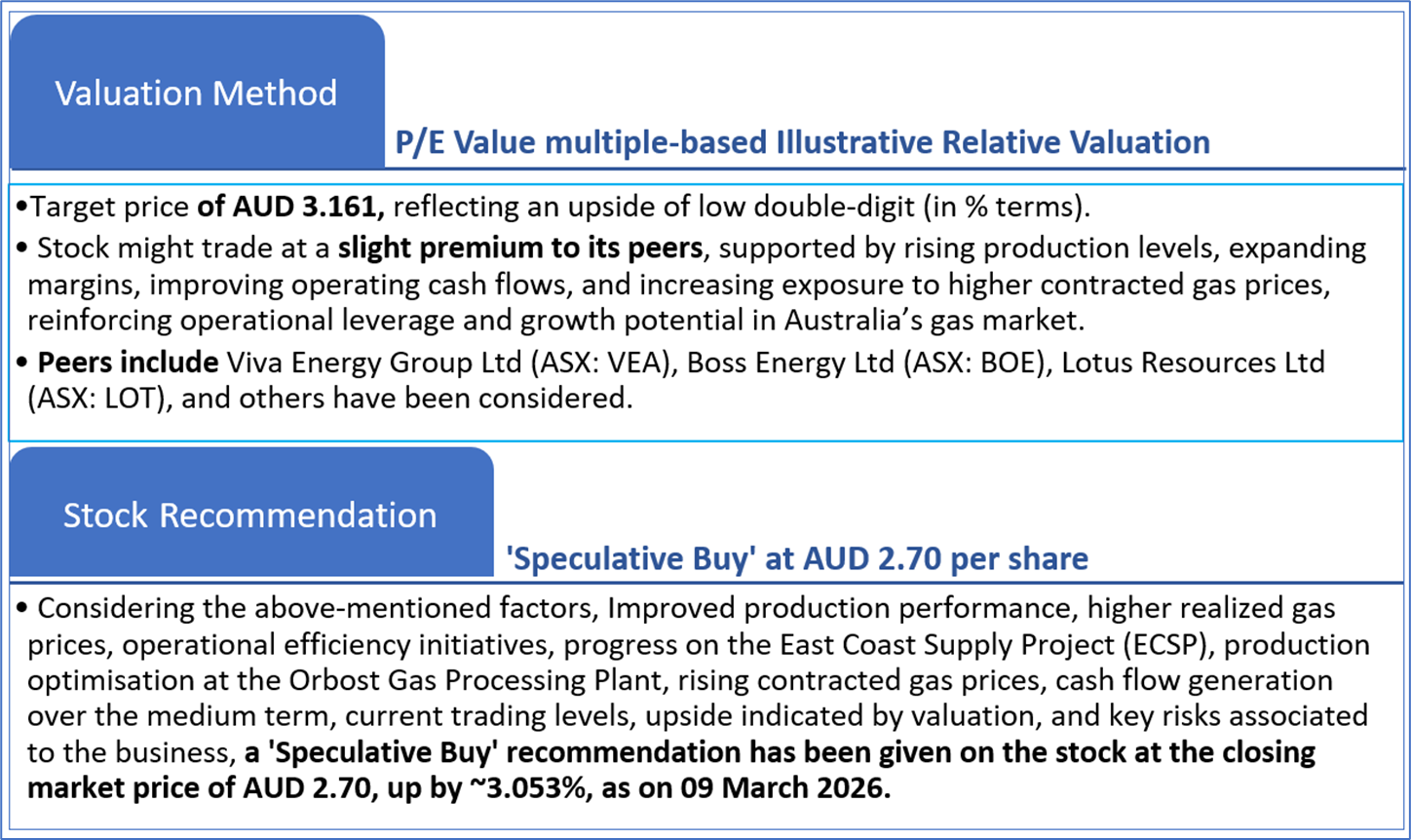
Markets are trading in a highly volatile zone currently due to certain macro-economic issues and geopolitical tensions prevailing. Therefore, it is prudent to follow a cautious approach while investing.
Note 1: Past performance is neither an indicator nor a guarantee of future performance.
Note 2: The reference date for all price data, currency, technical indicators, support, and resistance levels is 09 March 2026. The reference data in this report has been partly sourced from REFINITIV.
Note 3: Investment decisions should be made depending on an individual's appetite for upside potential, risks, holding duration, and any previous holdings. An 'Exit' from the stock can be considered if the Target Price mentioned as per the Valuation and or the technical levels provided have been achieved and is subject to the factors discussed above.
Note 4: Kalkine reports are prepared based on the stock prices captured either from REFINITIV or Trading View. Typically, REFINITIV or Trading View may reflect stock prices with a delay which could be a lag of 25-30 minutes. There can be no assurance that future results or events will be consistent with the information provided in the report. The information is subject to change without any prior notice.
Technical Indicators Defined: -
Support: A level at which the stock prices tend to find support if they are falling, and a downtrend may take a pause backed by demand or buying interest. Support 1 refers to the nearby support level for the stock and if the price breaches the level, then Support 2 may act as the crucial support level for the stock.
Resistance: A level at which the stock prices tend to find resistance when they are rising, and an uptrend may take a pause due to profit booking or selling interest. Resistance 1 refers to the nearby resistance level for the stock and if the price surpasses the level, then Resistance 2 may act as the crucial resistance level for the stock.
Stop-loss: It is a level to protect further losses in case of unfavourable movement in the stock prices.
Kalkine Equities LLC, with Delaware File Number 4697384, Foreign Qualification Registration in California File Number 202109211078, and Texas File Number 805521396, is authorized to provide general advice only. The information on https://kalkine.com/ does not take into account any of your investment objectives, financial situation or needs. You should consider the appropriateness of advice taking into account your own objectives, financial situation and needs and seek independent financial advice before making any financial decisions. The link to our Terms and Conditions and Privacy Policy has been provided for your reference. On the date of publishing the reports (mentioned on the website), employees and/or associates of Kalkine do not hold positions in any of the stocks covered on the website. These stocks can change any time and readers of the reports should not consider these stocks as advice or recommendations later.
Past performance is not a reliable indicator of future performance.
 Please wait processing your request...