
 AU
AU
 UK
UK
 CA
CA
 NZ
NZ
 IND
IND

 US
US

 Share
Share
 X (Formerly Twitter)
 Whatsapp
 Facebook
 LinkedIn
 Telegram
 Email This Article
 Copy Link
 Summarize with AI
 Chat GPT
 Perplexity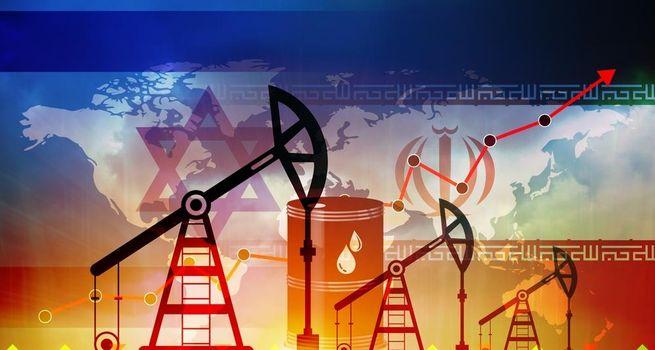
Key Highlights
- Japan to release national oil reserves as early as Monday, drawing 15 days from private sector stocks and one month from the state stockpile
- IEA preparing its largest-ever coordinated strategic reserve release to stabilise global energy markets
- Oil trades near $90/barrel after sharp volatility over confusion about a US navy escort through the Strait of Hormuz
- EU considering subsidies and gas price cuts to deliver immediate relief as European energy prices surge
- Iran threatens US and Israeli banks in the Middle East, warning people to stay 1km away
- 14 ships struck in the Gulf since the conflict began, with three more hit in the latest wave
- Vietnam taps emergency fuel fund, joining Southeast Asian nations reeling from the oil shock
Why This Moment Is Critical
Oil markets remain in crisis. After extreme volatility triggered by confusion over whether the US navy had escorted a tanker through the Strait of Hormuz, the White House denied this had occurred. Prices settled near $90 a barrel, but the calm is fragile. The conflict is widening, supply routes remain disrupted, and governments worldwide are now reaching into emergency reserves to prevent further economic damage.
Japan Steps Forward
In the most significant unilateral move yet, Prime Minister Sanae Takaichi announced on Wednesday that Japan would release oil from its national reserves as early as next Monday, without waiting for a formal IEA decision on a coordinated release among member states.
The planned release is substantial: 15 days' worth from private sector reserves and one full month from the state stockpile. Japan's combined government and private sector reserves amount to 254 days of crude oil and petroleum demand, among the largest strategic buffers of any major economy.
The urgency is clear. More than 90% of Japan's crude oil is imported from the Middle East, with the majority transiting through the Strait of Hormuz. For Japan, this is not a diplomatic gesture. It is a direct response to a supply emergency threatening its energy security.
The IEA's Historic Move
Japan's action arrives ahead of what the IEA is preparing: the largest coordinated strategic reserve release in its history. The scale reflects how seriously global institutions view the disruption. The G7 has expressed support, with ministers meeting to align on stockpile deployment specifics.
Once formalised, the IEA release would inject emergency supply from member states across North America, Europe, and the Asia-Pacific simultaneously. The goal: signal to traders that institutional supply can bridge the Hormuz gap and prevent panic-driven spikes from becoming entrenched.
Conflict Escalates on Multiple Fronts
The geopolitical picture continues to darken. Israel has continued strikes on Iran and Lebanon, including a hit on a building in central Beirut. The Pentagon confirmed that multiple Iranian vessels, including 16 minelayers, had been destroyed near the Strait. President Trump issued a direct warning to Tehran against placing explosives in the waterway.
Three more vessels were struck in the Gulf, bringing the total since the war began to 14. Each strike raises insurance costs, deters shipping, and reduces the effective crude supply reaching global markets.
The most alarming escalation came from Iran's military central command, which declared US and Israeli banks in the Middle East legitimate targets, in retaliation for an attack on an Iranian bank. People in the region were told to stay at least one kilometre from financial institutions. The threat marks a stark expansion of the conflict beyond energy infrastructure into the financial system.
Europe and Southeast Asia Under Pressure
The economic fallout is spreading. European stock and bond markets opened lower as energy prices stayed elevated. The EU is actively considering subsidising or cutting gas prices to deliver immediate relief, with Commission President von der Leyen signalling that action is being prepared.
In Southeast Asia, Vietnam has begun subsidising fuel prices by drawing on an emergency fund. Across the region governments are absorbing the shock through public finances rather than passing costs to consumers, a sign of how broadly the crisis is transmitting through the global economy.
Conclusion
The coordinated reserve release being assembled by Japan and the IEA is the largest policy response to an energy shock in decades. It may cap the immediate price spike. But the underlying crisis remains unresolved. The Strait of Hormuz remains disrupted, the conflict is widening into financial territory, and the cumulative toll on shipping, supply chains, and government budgets is growing daily. What began as a regional military confrontation is reshaping global energy markets, fiscal policy, and financial risk in real time.
Frequently Asked Questions (FAQs)
- Why is Japan releasing its strategic oil reserves?
Japan plans to release oil reserves to stabilise domestic fuel supply and reduce market volatility caused by disruptions around the Strait of Hormuz. - What role does the International Energy Agency (IEA) play in this crisis?
The IEA coordinates strategic petroleum reserve releases among member countries to increase supply and calm global energy markets during major disruptions. - Why is the Strait of Hormuz critical to global oil supply?
The Strait of Hormuz is one of the world’s most important energy shipping routes, carrying a significant share of global crude oil exports from the Middle East. - How are governments responding to the rising energy prices?
Many governments are deploying strategic reserves, fuel subsidies, or price support measures to reduce the economic impact of higher oil and gas prices. - What broader risks could the oil crisis create for the global economy?
Sustained supply disruptions could lead to higher inflation, increased transportation costs, fiscal pressure on governments, and volatility in global energy markets.


 Jun 16, 2026

 Please wait processing your request...