
 AU
AU
 UK
UK
 CA
CA
 NZ
NZ
 IND
IND

 US
US

 Share
Share
 X (Formerly Twitter)
 Whatsapp
 Facebook
 LinkedIn
 Telegram
 Email This Article
 Copy Link
 Summarize with AI
 Chat GPT
 Perplexity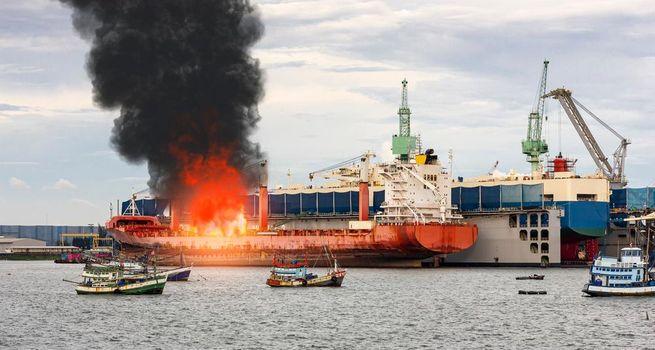
Key Highlights
- Global oil prices rose about 6 percent as attacks on tankers increased security risks in Gulf shipping lanes.
- Brent crude briefly crossed $100 per barrel before stabilizing near $98 amid renewed geopolitical tensions.
- Middle East production disruptions have removed roughly 10 million barrels per day from global supply.
- Strategic reserve releases of 400 million barrels may offer only temporary market relief.
- Continued closure of the Strait of Hormuz remains the key driver of oil market volatility.
Introduction: Geopolitical Tensions Trigger Oil Market Shock
Global oil markets have entered a period of heightened volatility following renewed attacks on shipping infrastructure in the Middle East. Escalating military actions linked to the conflict involving Iran have raised serious concerns about disruptions to energy flows through the Persian Gulf.
Oil prices responded quickly to the developments. Brent crude rose sharply and briefly traded above $100 per barrel as investors reassessed supply risks in one of the world’s most important energy producing regions.
The market reaction highlights the central role geopolitics continues to play in commodity pricing. Even short term disruptions to maritime shipping routes can rapidly affect global oil supply expectations and trigger significant price movements.
For investors and policymakers, the current situation represents one of the most serious energy supply disruptions in decades.
Global Oil Market Trends and Energy Supply Risks
Strategic Importance of the Strait of Hormuz
At the center of the crisis is the Strait of Hormuz, a narrow maritime corridor that connects the Persian Gulf with global shipping routes.
Approximately one fifth of global oil consumption normally passes through this waterway. Major oil producers including Saudi Arabia, Iraq, Kuwait, and the United Arab Emirates rely on this corridor to export crude to international markets.
When tanker traffic through this route is disrupted, global energy markets react immediately. Traders often price in risk premiums because alternative transport routes are limited and logistical adjustments require time.
Current disruptions therefore carry substantial implications for global supply stability.
Oil Supply Disruption in the Middle East
The International Energy Agency reported that the conflict has already removed roughly 10 million barrels per day of production from Middle Eastern exporters.
This volume represents nearly 10 percent of global oil demand, making the disruption one of the largest supply shocks in modern oil market history.
Such a reduction in supply can significantly tighten the global oil balance, particularly when spare production capacity elsewhere remains limited.
Energy markets therefore remain highly sensitive to further developments in the region.
Oil Price Surge and Commodity Market Reaction
Brent Crude and WTI Rally
Benchmark oil prices reacted sharply to the escalating attacks.
Brent Crude Oil rose nearly 6.5 percent to about $97.93 per barrel, after briefly touching $100 earlier in the trading session.
Meanwhile West Texas Intermediate increased approximately 6 percent to around $92.50 per barrel.
Earlier in the week Brent had reached $119.50, its highest level since mid 2022, before retreating following political signals suggesting the conflict might soon end.
The latest tanker attacks reversed that temporary decline and pushed prices higher again.
Market Expectations for Oil Prices
Several financial institutions have updated their oil price forecasts in response to the crisis.
Analysts at Goldman Sachs estimate Brent crude could average around $98 per barrel during March and April before potentially falling to about $71 per barrel by the fourth quarter if supply conditions improve.
However, the bank also outlined a risk scenario in which oil flows through the Strait of Hormuz remain disrupted for an extended period.
Under that scenario, average oil prices during the coming months could rise toward $110 per barrel.
This illustrates the wide range of potential outcomes currently facing global energy markets.
Maritime Attacks Escalate Energy Security Risks
Tanker Attacks Near Iraqi Waters
The latest price surge followed reports that Iranian boats carrying explosives attacked two oil tankers operating in Iraqi waters.
The vessels reportedly caught fire after the strikes, resulting in the death of one crew member.
Earlier incidents in the Gulf involved projectiles striking several ships, further raising concerns about the safety of maritime transport in the region.
Shipping through the Strait of Hormuz remains largely halted as security conditions deteriorate.
Regional Military Escalation
The maritime attacks occurred alongside broader regional military activity.
Lebanon’s Hezbollah launched a large rocket barrage toward Israel, triggering retaliatory strikes in Beirut.
Security analysts warn that other regional actors, including Yemen’s Houthi forces, could potentially join the conflict.
Such developments would further threaten shipping routes across the Middle East and raise the risk of sustained energy supply disruptions.
Strategic Petroleum Reserve Release and Market Impact
Largest Coordinated Oil Reserve Release
In response to the supply disruption, advanced economies have approved the release of 400 million barrels of oil from strategic stockpiles.
This represents the largest coordinated release in the history of the global oil market.
The goal is to stabilize prices and ensure adequate supply while the geopolitical situation remains uncertain.
However, analysts note that such releases require logistical coordination and may take months to fully reach global markets.
Limited Short Term Relief
Energy analysts caution that the strategic reserve release may not fully offset the supply disruption.
Even at the maximum release rate, the reserve drawdown could represent roughly 4.5 million barrels per day over a 90 day period.
This is less than half of the estimated supply loss caused by production cuts and shipping disruptions in the region.
As a result, market participants remain skeptical that the intervention will significantly lower oil prices unless tanker traffic resumes.
Financial and Market Implications
Inflation and Economic Growth Concerns
Rising oil prices carry important macroeconomic implications.
Energy costs directly influence transportation, manufacturing, and electricity prices. When oil prices rise sharply, inflation pressures typically increase across the global economy.
Central banks may face additional challenges balancing inflation control with economic growth if energy prices remain elevated.
Higher fuel prices can also reduce household purchasing power and increase operational costs for businesses.
Financial Market Volatility
Oil price spikes often affect broader financial markets.
Energy sector equities typically benefit from higher crude prices, as rising commodity prices support revenue growth for oil producers.
However, higher energy costs can weigh on sectors sensitive to fuel expenses, including transportation, logistics, and manufacturing.
Currency markets may also react as oil exporting nations experience stronger trade balances while importing countries face higher energy bills.
Strategic Outlook: Oil Market Volatility Likely to Continue
Key Market Driver: Strait of Hormuz Reopening
Energy analysts widely agree that the most important factor for oil market stability is the reopening of tanker traffic through the Strait of Hormuz.
Without secure shipping routes, supply disruptions could persist and continue to push prices higher.
Market participants therefore remain focused on geopolitical developments rather than purely economic indicators.
Longer Term Energy Market Implications
The current crisis may accelerate structural shifts in global energy markets.
Countries heavily dependent on Gulf oil imports may increase investments in strategic reserves or diversify supply sources.
Energy consuming economies could also accelerate investments in renewable energy to reduce exposure to geopolitical supply risks.
Meanwhile, sustained high oil prices could encourage additional upstream investment in regions outside the Middle East.
Conclusion
The latest escalation in attacks on Gulf shipping routes has reignited volatility in global oil markets and pushed crude prices sharply higher.
With tanker traffic through the Strait of Hormuz disrupted and Middle Eastern production reduced, the market faces one of the most significant energy supply shocks in recent history.
Although strategic reserve releases may provide temporary relief, the long term direction of oil prices will largely depend on geopolitical developments and the restoration of secure maritime transport routes.
For investors and policymakers, the situation underscores how deeply global energy markets remain intertwined with geopolitical risk.
FAQ
Why did oil prices rise sharply?
Oil prices increased because attacks on tankers and energy infrastructure raised concerns about disruptions to supply routes in the Persian Gulf. Markets quickly priced in the risk that oil shipments through the Strait of Hormuz could remain blocked.
How much oil supply has been disrupted?
The International Energy Agency estimates that roughly 10 million barrels per day of Middle Eastern production has been affected by the conflict. This represents close to 10 percent of global oil demand.
What is the purpose of releasing strategic oil reserves?
Strategic petroleum reserves are emergency stockpiles designed to stabilize energy markets during supply disruptions. Governments release oil from these reserves to increase supply temporarily and reduce price volatility.
Could oil prices rise further?
Yes. If tanker traffic through the Strait of Hormuz remains restricted, analysts warn that oil prices could rise well above current levels due to tightening global supply conditions.
How could higher oil prices affect the global economy?
Higher oil prices can increase inflation, raise transportation and manufacturing costs, and slow economic growth. Energy price shocks have historically been associated with periods of economic instability.


 Jun 16, 2026




 Please wait processing your request...