
 AU
AU
 UK
UK
 CA
CA
 NZ
NZ
 IND
IND

 US
US

 Share
Share
 X (Formerly Twitter)
 Whatsapp
 Facebook
 LinkedIn
 Telegram
 Email This Article
 Copy Link
 Summarize with AI
 Chat GPT
 Perplexity
Platinum futures climbed above $1,780 an ounce, rebounding from a recent six-month low, as precious metals rallied following a tentative peace agreement between the United States and Iran that would reopen the Strait of Hormuz.
Key Highlights
- Platinum futures climbed above $1,780 an ounce, rebounding from a recent six-month low.
- The US-Iran agreement is set to be signed in Switzerland on June 19.
- Oil prices fell to a two-month low following the announcement, easing inflation concerns.
- The World Platinum Investment Council projects a fourth consecutive annual supply deficit in 2026.
Platinum prices rebounded sharply, climbing above $1,780 an ounce after recently touching a six-month low, as precious metals broadly rallied on news of a tentative peace agreement between the United States and Iran. The deal, which is set to be formally signed in Switzerland on June 19, reportedly includes the reopening of the Strait of Hormuz, the lifting of blockades, sanctions relief for Iran, and the dismantling of Tehran's nuclear program.
The announcement triggered a decline in oil prices to a two-month low, easing concerns over rising inflation and reducing the likelihood of further interest rate increases that have weighed on non-yielding assets such as platinum in recent months. Lower expectations for interest rate hikes typically support precious metals by reducing the opportunity cost of holding assets that do not generate yield.
Beyond the immediate boost from easing geopolitical tensions, platinum's rebound also reflects underlying structural tightness in the physical market. The World Platinum Investment Council is projecting a fourth consecutive annual supply deficit in 2026, extending a multi-year trend of demand outpacing mine and recycled supply.
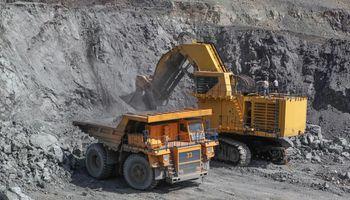
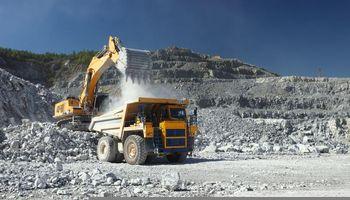
On the supply side, output from major producing countries South Africa and Russia remains constrained. Aging mines, elevated production costs, and disruptions linked to sanctions have all limited the ability of these key producers to ramp up output in response to higher prices, reinforcing the structural deficit identified by industry researchers.
Sibanye Stillwater Limited (NYSE:SBSW), which operates platinum group metals mining and processing across South Africa alongside the Stillwater mine in Montana, sits squarely within this supply picture, with its production economics closely tied to the deficit dynamics now shaping the broader market.
Demand for platinum continues to be supported by the automotive sector, where growth in hybrid vehicle production and increasingly stringent emissions standards have sustained the metal's use in catalytic converters and related applications. This demand resilience stands in contrast to some other industrial metals that have been more directly exposed to swings in global manufacturing activity.
The combination of an improving macro backdrop, driven by reduced geopolitical risk and lower inflation expectations, alongside a persistent physical market deficit, has provided a supportive setup for platinum prices following their recent retreat to six-month lows. Market participants will likely continue to monitor both the implementation of the US-Iran agreement and updates to global platinum supply and demand balances in the coming months.

_06_15_2026_16_30_37_183392.jpg)
 Jun 15, 2026
-Copy_06_15_2026_16_31_06_822154.jpg)
_06_15_2026_16_28_29_609265.jpg)
-Copy_06_15_2026_16_29_08_089518.jpg)
 Please wait processing your request...