
 CA
 NZ
 UK
 AU
 IND

 US

 Share
 X (Formerly Twitter)
 Whatsapp
 Facebook
 LinkedIn
 Telegram
 Email This Article
 Copy Link
 Summarize with AI
 Chat GPT
 Perplexity

Keywords: Trump Fed criticism, Kevin Warsh independence, Fed rate hike politics, 1 percent interest rates, US dollar index, UUP
Key Highlights
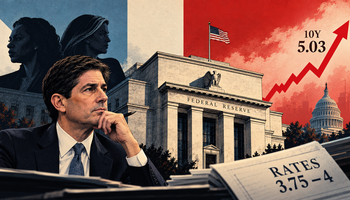
- President Donald Trump attacked the Fed's September 16 hike, posting that US rates should be 1 percent or less, 2.75 to 3.00 percentage points below the new 3.75 percent to 4.00 percent range by simple arithmetic.
- Trump said he told Chair Kevin Warsh, his own pick, that he might as well vote with the board, and called the FOMC a bunch of politicians.
- Warsh declined to discuss his conversations with the president, saying part of Fed independence is that we stay in our lane.
- Political pressure on the Fed could add a risk premium to long-dated Treasury yields and the dollar, which investors can track through the Invesco DB US Dollar Index Bullish Fund (NYSEARCA:UUP).
A President at Odds With His Own Pick
Kevin Warsh took office as Chair in May 2026 as Trump's choice, and his first major policy test produced the first rate increase in three years. Trump responded by urging the Fed to lower rates fast. He said he had told Warsh he might as well vote with the board because it was not going to matter, adding that he still had confidence in Warsh but that the Chair has a very tough board. The criticism landed on a decision no official opposed: the vote was 12-0 with no dissents, so the committee spoke with one voice on inflation. Former Chair Jerome Powell, whose term as Chair ended in May, remains on the Board of Governors, a reminder that the board's makeup does not change quickly.
Warsh Draws a Line on Independence
Warsh chose not to engage on the substance, describing independence as a two-way street. He grounded the hike in the data, calling it a sober and responsible decision and saying Inflation is too high and has been for too long. The numbers give him cover. August CPI rose 3.4 percent year over year, July core PCE was 3.3 percent, and University of Michigan year-ahead inflation expectations jumped to 4.6 percent in September. Other officials have stayed hawkish, with New York Fed President John Williams calling another hike before year end reasonable and Governor Lisa Cook flagging inflation pressure from the AI buildout and higher oil. CME FedWatch put October 28 hike odds at 72.5 percent as of September 28. So far, markets are pricing more tightening, not less, despite the White House's demands.
Where a Political Risk Premium Could Show Up
Investors often express independence concerns through long-dated bonds, the currency and gold. The long end has sold off for several reasons at once: the 10-year yield hit about 5.21 percent on September 28, the highest since mid-2007, and the 30-year neared 5.48 percent, pressured by oil, strong growth and heavy borrowing, with the Deficit at USD 2 trillion in the first 11 months of fiscal 2026. Isolating a political premium is difficult. The US Dollar Index has strengthened to around 101.20 on September 29 from a September 10 low of 98.45, suggesting rate differentials currently outweigh governance worries. The Invesco DB US Dollar Index Bullish Fund (NYSEARCA:UUP) is one instrument investors use to express that view. Gold fell 3.2 percent to about USD 4,149 an ounce on September 28, a theme followed through SPDR Gold Shares (NYSEARCA:GLD).
Where Things Stand
No, not on the evidence so far. The committee voted 12-0 to raise rates despite the president's stated preferences, Warsh has publicly defended the decision, and CME FedWatch shows 94.5 percent odds of at least one more increase by December 9. A 1 percent policy rate would sit far below even the 3.2 percent longer run median estimate. The fight remains a risk, particularly with the November 3 midterm elections falling between the October and December meetings. For now, the Invesco DB US Dollar Index Bullish Fund (NYSEARCA:UUP) and Treasury markets are trading the data, not the rhetoric.

 Oct 28, 2026




 Please wait processing your request...